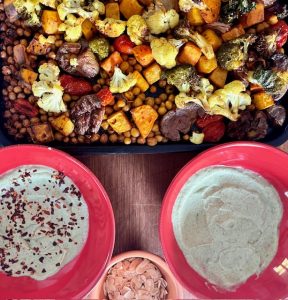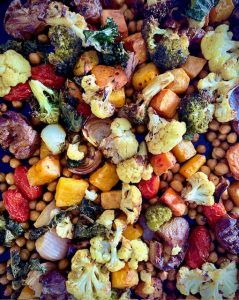
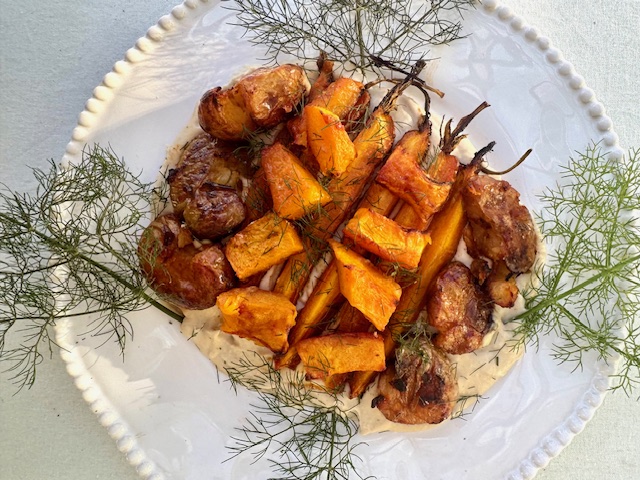
I came across this starter recipe recently on Sarah Cobacho’s plantbaes website: maple roasted carrots on a butter bean dip. Delicious, but I wanted to continue this year’s heart health theme so I added an unusual player to the ingredient list, namely cooked potato.

This isn’t a veg you’d normally associate with heart health, in fact potatoes can spike blood sugar significantly and cause weight gain if eaten in excess as they’re high in starch and have a high glycaemic index. For these reasons all starchy vegetables should be part of your diet, but treated with respect, eaten in moderation.
However, something fascinating happens when you cook and refrigerate potatoes overnight. A process called retrogradation. To find out what this process is and how it can make the humble spud a healthier vegetable see the short paragraph with asterisk at the end of the page.
I’ve made this dish a number of times, loved it also with curry powder, so that’s an option if you like a more defined taste.
In this recipe I’ve added butternut to the mix. For more diversity, for more of that rainbow on your plate – and because I had a butternut squash given to me last week 🙂

This butter bean puree is a great way to add protein to a vegetable meal. Protein is a vital micronutrient needed daily for the growth and repair of body cells and the functioning of your immune system, for glucose balancing and metabolic health, and for overall ‘thriving’.
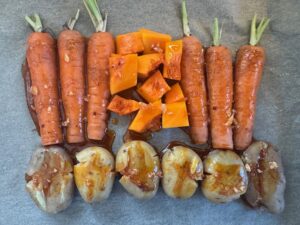
Ingredients for 4:
Roasted Vegetables:
4 medium carrots, halved with some of their green tops intact
8 small cooked potatoes from the fridge* (or par boil them now)
Slice of butternut squash, c 125g, cut into chunks
3 tbsp olive oil
1 tsp maple syrup
2 crushed garlic
1 tsp smoked paprika
sea salt to taste
Butter bean puree
1 can butter beans, 400g (c240-ish drained)
2 tbsp tahini
1 peeled garlic
1 tsp maple syrup
juice from 1/2 lemon
3 tbsp olive oil
sea salt
cold water if needed for a smooth texture
Optional: 1 tsp curry powder or powdered garam masala
To finish:
I chose fennel fronds as their new growth is delicious, however chopped dill or parsely will work.
c 12 walnuts, crushed
Method:
Preheat the oven to 210 C (410F) and line your oven roasting pan with a sheet of parchment paper.
Use the potatoes you boiled or steamed yesterday, which you refrigerated overnight, to add half-way through the roasting. Or parboil 8 small raw potatoes now.
Then lightly ‘smash’ them with a potato masher, to break the skin so they crisp well.
Mix together the olive oil, maple syrup, smoked paprika, garlic, sea salt.
Put all the veg into a large bowl and gently coat with the olive oil mixture. Remove yesterday’s refrigerated tatties from the bowl after coating, as they’re already cooked! You’ll add them to the roasting pan half-way through so they colour but don’t overcook.
If you’re using freshly parboiled potatoes they go into the oven with the carrots and butternut.
Line your vegetables onto the parchment paper and bake for 20-25 minutes, turning them over half-way through to ensure they don’t burn, and adding your previously cooked potatoes at this point.
After 20-25 mins use a fork to test everything is to your liking.
Butter bean puree:
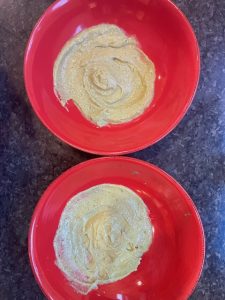
Add all the ingredients to a high-speed blender or nutribullet to get that creamy finish. If it’s too stodgy add a tablespoon of cold water until you get the perfect texture, something similar to a dip. The taste is mellow and understated because of the marinade of the vegetables, however if you want to give it more oomph curry powder, or garam masala work well
Putting it all together:
Spoon 1/4 of the puree onto each plate and place the roasted vegetables on top. Sprinkle with crushed walnuts and your chopped greenery.
Drizzle with more olive oil, or a chili oil if you want a kick to it.
Serve with any bread or crispbread you like – and enjoy!
Some potato facts:
* Did you know that eating cooked and refrigerated potatoes the following day – either reheated, mashed, roasted or cold, in a potato salad – greatly increases their resistant starch content? Why is this a good thing?
Resistant starch is a form of prebiotic fibre that survives our small intestine’s digestion, thus escaping enzymatic breakdown in the upper gut. This prebiotic fibre can therefore reach the large intestine where it provides fuel for microbes in the colon. This process lowers potatoes’ glycaemic impact – decreasing our blood sugar spikes – and makes us feel more satiated. Ultimately it helps with weight management.
So how does this support heart health you may be wondering? Managing weight will always help metabolic and heart health, but also gut bacteria produce short chain fatty acids and these are anti-inflammatory… and help lower cholesterol. Voila, we’re back to heart health, lol! This is why I’ve added already cooked potatoes to this recipe, and the reason you can find a bowl of new potatoes in our fridge every week this month 🙂